
Where the risk shows up
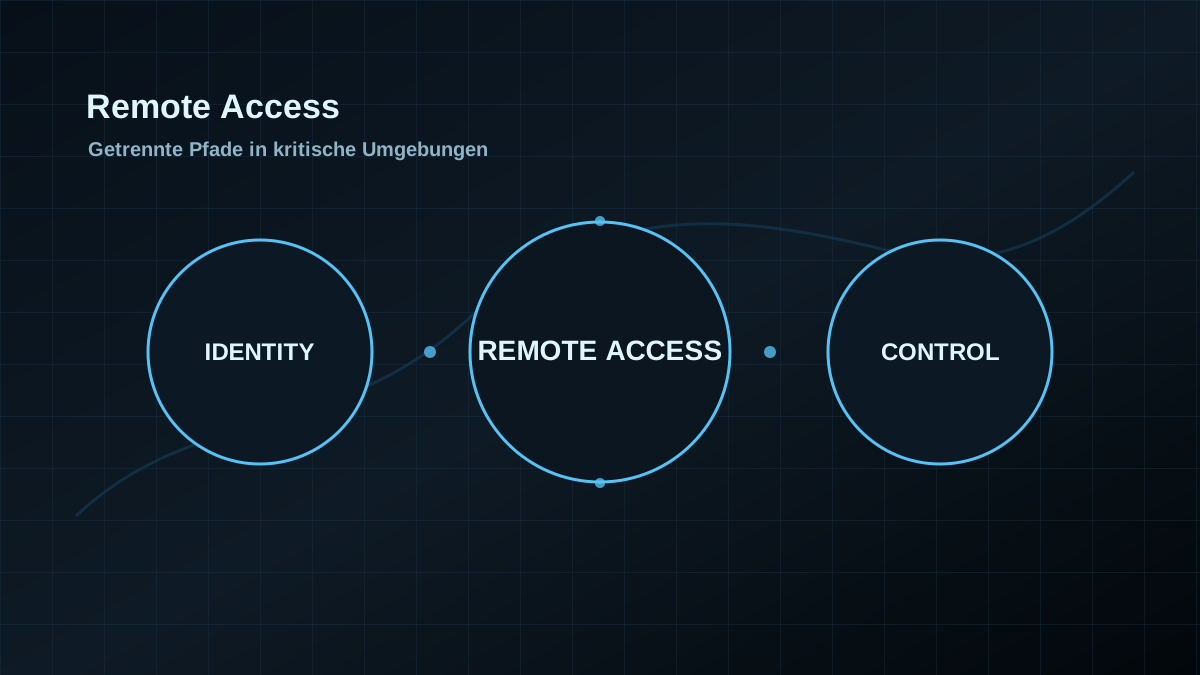
Remote access is essential in critical environments, but it must not become a flat administrative path. Separate access paths, controlled jump points, strong authentication and clear logging are decisive.
The technical solution must fit the operating model: maintenance, incident response and emergency operation have different requirements.
Checks worth doing
- Separate access by roles and target systems
- Harden jump hosts and administrative paths
- Ensure logging and session traceability
- Test and document emergency access
- Keep network segments tightly scoped
What gets better
- Maintenance and emergency access stay possible without opening flat administrative paths into critical segments.
- Sessions become traceable because entry point, identity, target system and time window line up.
- Segmentation reduces the reach of compromised supplier or admin accounts.
Where it can hurt
- Overly rigid jump-host designs break operations if maintenance teams are not involved early.
- Emergency access becomes unsafe when it is documented but never tested.
- Logging without ownership is weak during incidents; someone must be able to read the signals and decide.
Checks before rollout
- Which access paths are operations, maintenance, supplier access and incident response?
- Which target segments are reachable through which jump host?
- Are break-glass paths technically separate and tested regularly?
- Are session logs still reliable after an incident?